
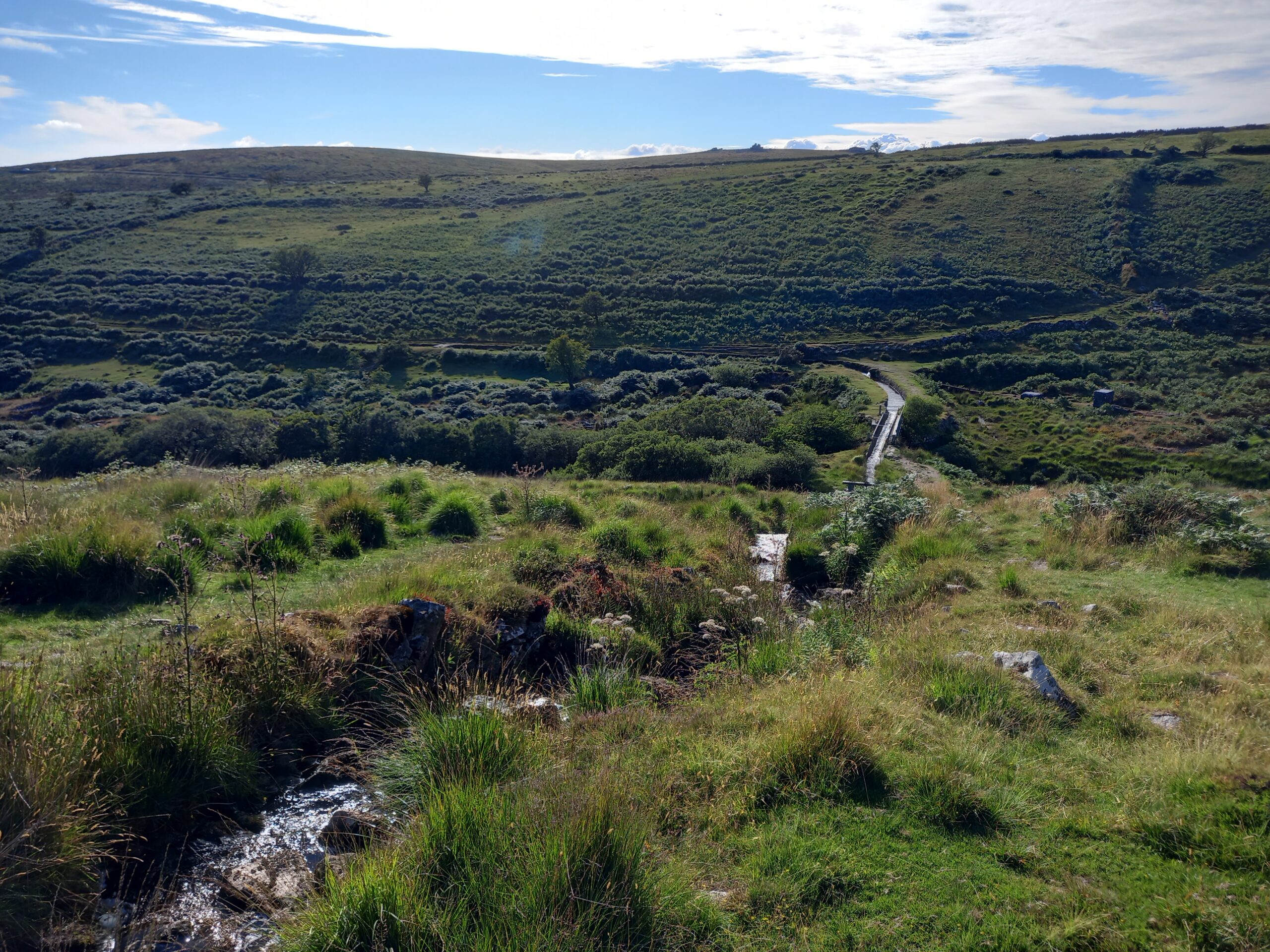

Capturing Serenity: The Art of Long Exposure Photography in Devon
Understanding Long Exposure Photography
Long exposure photography is a powerful technique that allows photographers to capture the passage of time through still images. By using extended shutter speeds, this method creates mesmerizing effects that transform mundane scenes into dreamy landscapes.
Why Long Exposure in Devon?
- Stunning Landscapes: Devon offers a plethora of breathtaking locations, perfect for long exposure shots.
- Ever-changing Elements: The skies and waters of South Devon create dynamic scenes ideal for capturing motion.
- Natural Light: The warm golden hours of dawn and dusk enhance colors and textures, making photos even more captivating.
Top Locations for Long Exposure Photography in South Devon
Here are some must-visit spots where you can practice long exposure photography:
- Dartmoor National Park: The rugged landscape and sweeping vistas provide a dramatic backdrop.
- Start Point Lighthouse: Capture the waves crashing against the cliffs with soft, creamy textures.
- Teignmouth Beach: Ideal for capturing the smoothness of the sea against the shoreline during sunsets.
Technical Tips for Long Exposure Photography
To enhance your long exposure photography skills, consider the following tips:
- Use a Tripod: Stability is crucial for capturing sharp images. A sturdy tripod ensures that your camera remains still during the exposure.
- Neutral Density Filters: These filters reduce the amount of light entering the lens, allowing for longer exposure times even in bright conditions.
- Experiment with Shutter Speed: Start with a shutter speed of a few seconds and gradually increase it for desired effects.
- Focus on Composition: Plan your shot to include leading lines, foreground interest, and balanced elements.
Creating Unique Perspectives
One of the joys of long exposure photography is the ability to see familiar landscapes from entirely new angles. Consider these approaches to develop your unique style:
- Low Angles: Shooting from a low perspective can create a more immersive experience, drawing viewers into the scene.
- High Vantage Points: Capture sweeping views of the coast and valleys. Elevated shots can reveal patterns and textures unseen at ground level.
- Incorporate Foreground Elements: Adding rocks, trees, or flowers in the foreground helps to create depth and dimension in your images.
Final Thoughts
Long exposure photography is an excellent way to explore and capture the tranquil beauty of Devon’s landscapes. With practice and patience, you can develop your style and create stunning photographs that evoke serenity and appreciation for the natural world. So grab your camera and explore the incredible sights Devon has to offer, bringing each scene to life with your unique vision!